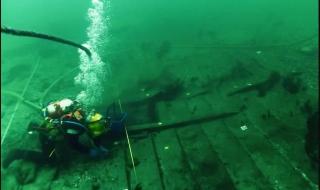

أعلن علماء آثار بحريون عن اكتشاف بقايا سفينة تجارية عملاقة تعود إلى العصور الوسطى قبالة سواحل الدنمارك، في إنجاز وُصف بأنه الأهم من نوعه، إذ تُعدّ السفينة الأكبر على الإطلاق التي هيمنت على التجارة البحرية في أوروبا خلال القرون الوسطى.
ويعود تاريخ السفينة، بحسب صحيفة «ديلي ميل»، إلى نحو 600 عام، وتحديدًا إلى بدايات القرن الخامس عشر، ويُقدّر طولها بنحو 28 مترًا، وعرضها 9 أمتار، وارتفاعها 6 أمتار، مع قدرة استيعابية تصل إلى 300 طن من البضائع، ما يجعلها أكبر سفينة من هذا النوع تم العثور عليها حتى اليوم.
نافذة نادرة على الحياة البحرية في القرن الـ15
السفينة، التي أُطلق عليها اسم «سفيلغِت 2» (Svælget 2) نسبة إلى القناة البحرية التي عُثر عليها فيها، وُجدت في حالة حفظ استثنائية، إذ لا تزال تحتفظ ببقايا نظام الحبال والدعامات المستخدمة في رفع الأشرعة وتحريك الأحمال.
كما عثر الغواصون على مقتنيات شخصية لطاقم السفينة، من بينها أوانٍ خشبية مطلية، وأحذية، وأمشاط، وخرزات مسبحة، ما يوفر لمحة نادرة عن الحياة اليومية للبحارة في القرن الخامس عشر.
اكتشاف غير مسبوق لبنية السفينة
ومن أبرز ما كشفه التنقيب العثور على بقايا قلعة مؤخرة خشبية كاملة، وهي منصة مغطاة كانت تُستخدم لحماية الطاقم من العوامل الجوية. وتُعد هذه أول مرة يتم فيها العثور على دليل أثري كامل لمثل هذه القلاع، التي لم تكن معروفة سابقًا إلا من خلال الرسومات التاريخية.
وقال قائد فريق التنقيب أوتو أُلدوم: «هذا الاكتشاف يُعد علامة فارقة في علم الآثار البحرية، إنها أكبر سفينة من هذا النوع نعرفها، وتمنحنا فرصة فريدة لفهم طريقة البناء والحياة على متن أكبر سفن التجارة في العصور الوسطى»، وأوضح أن القلاع الخشبية شكّلت نقلة نوعية مقارنة بسفن عصر الفايكنغ، التي كانت مكشوفة تمامًا للرياح والأمطار.
مطبخ مبني من الطوب
ومن أكثر المفاجآت إثارة، اكتشاف مطبخ مبني من الطوب داخل السفينة، يُعد الأقدم من نوعه في المياه الدنماركية وضمّ المطبخ نحو 200 قطعة طوب و15 بلاطة، إضافة إلى أوانٍ نحاسية للطهي، وأوعية خزفية، وبقايا أسماك ولحوم.
وأشار أُلدوم، إلى أن هذا الاكتشاف يدل على مستوى عالٍ من التنظيم والراحة على متن السفينة، حيث أصبح بإمكان البحارة تناول وجبات ساخنة، بدلًا من الاعتماد على الطعام المجفف والبارد الذي كان سائدًا في الرحلات البحرية آنذاك.
لماذا بقيت السفينة محفوظة؟
وعُثر على حطام السفينة على عمق 13 مترًا، حيث حمتها طبقات كثيفة من الرمال من التيارات والعوامل التي عادة ما تؤدي إلى تدمير السفن القريبة من السواحل، وقد استخدم علماء الآثار مكانس شفط مائية خاصة لإزالة قرون من الرمال والطمي وكشف الهيكل الخشبي.
لغز الحمولة المفقودة
ورغم ضخامة السفينة، لم يعثر الباحثون على أي أثر مباشر للبضائع التي كانت تحملها، ويرجّح الخبراء أن السفينة كانت محمّلة بالكامل ببضائع ثقيلة، لكن عدم وجود غطاء لمخزن الشحن أدى إلى انجراف البراميل أو الأخشاب أثناء الغرق، ومع ذلك، يؤكد العلماء أن «سفيلغِت 2» كانت سفينة تجارية بحتة، إذ لم تُكتشف أي مؤشرات على استخدام عسكري.
خطوة جديدة لفهم تاريخ التجارة
وتخضع أجزاء السفينة حاليًا لعمليات حفظ ودراسة في المتحف الوطني الدنماركي، وسط آمال بأن يُسهم هذا الاكتشاف في إعادة كتابة جزء مهم من تاريخ الملاحة الأوروبية.
واختتم أُلدوم قائلًا: «أصبحنا نعلم الآن، دون شك، أن هذا النوع من السفن كان قادرًا على الوصول إلى أحجام هائلة، إن سفيلغِت 2 تمنحنا قطعة حقيقية من لغز تطور التكنولوجيا والمجتمع في عصر كانت فيه الملاحة البحرية العمود الفقري للتجارة الدولية».
Marine archaeologists have announced the discovery of the remains of a giant medieval merchant ship off the coast of Denmark, in what has been described as the most significant find of its kind, as the ship is considered the largest ever that dominated maritime trade in Europe during the Middle Ages.
The ship dates back, according to the Daily Mail, to about 600 years ago, specifically to the early 15th century, and is estimated to be about 28 meters long, 9 meters wide, and 6 meters high, with a carrying capacity of up to 300 tons of cargo, making it the largest ship of its kind discovered to date.
A Rare Window into Maritime Life in the 15th Century
The ship, named "Svælget 2" after the maritime channel in which it was found, was discovered in an exceptional state of preservation, as it still retains remnants of the rigging and supports used for raising sails and moving loads.
Divers also found personal belongings of the ship's crew, including painted wooden vessels, shoes, combs, and prayer beads, providing a rare glimpse into the daily life of sailors in the 15th century.
An Unprecedented Discovery of the Ship's Structure
One of the most notable findings from the excavation was the discovery of the remains of a complete wooden stern castle, a covered platform that was used to protect the crew from the elements. This is the first time a complete archaeological evidence of such castles has been found, which were previously known only from historical drawings.
Excavation team leader Otto Uldom stated, "This discovery is a milestone in maritime archaeology; it is the largest ship of its kind that we know of, and it gives us a unique opportunity to understand the construction methods and life aboard the largest trade ships of the Middle Ages." He explained that wooden castles represented a significant advancement compared to Viking Age ships, which were completely exposed to winds and rain.
A Brick-Built Kitchen
One of the most exciting surprises was the discovery of a brick-built kitchen inside the ship, which is the oldest of its kind in Danish waters. The kitchen contained about 200 bricks and 15 tiles, in addition to copper cooking vessels, ceramic dishes, and remains of fish and meat.
Uldom pointed out that this discovery indicates a high level of organization and comfort aboard the ship, as sailors could now enjoy hot meals instead of relying on dried and cold food that was common during maritime journeys at that time.
Why Did the Ship Remain Preserved?
The wreck was found at a depth of 13 meters, where thick layers of sand protected it from currents and factors that typically lead to the destruction of ships near the coast. Archaeologists used special water suction pumps to remove centuries of sand and silt and reveal the wooden structure.
The Mystery of the Lost Cargo
Despite the ship's size, researchers found no direct trace of the goods it was carrying. Experts speculate that the ship was fully loaded with heavy cargo, but the absence of a cover for the cargo hold led to the barrels or timber drifting away during the sinking. Nevertheless, scientists confirm that "Svælget 2" was purely a merchant ship, as no indications of military use were discovered.
A New Step in Understanding Trade History
Parts of the ship are currently undergoing preservation and study at the National Museum of Denmark, with hopes that this discovery will contribute to rewriting an important part of European maritime history.
Uldom concluded by saying, "We now know, without a doubt, that this type of ship was capable of reaching enormous sizes. Svælget 2 gives us a real piece of the puzzle of technological and societal development in an era when maritime navigation was the backbone of international trade."
ملحوظة: مضمون هذا الخبر تم كتابته بواسطة عكاظ ولا يعبر عن وجهة نظر مصر اليوم وانما تم نقله بمحتواه كما هو من عكاظ ونحن غير مسئولين عن محتوى الخبر والعهدة علي المصدر السابق ذكرة.