

أعلنت رئيسة الوزراء اليابانية ساناي تاكايتشي، اليوم (الجمعة)، حل مجلس النواب الغرفة السفلى للبرلمان رسميًا، في خطوة تاريخية تفتح الباب أمام انتخابات عامة مبكرة ستُجرى في 8 فبراير 2026.
ووافق مجلس الوزراء الياباني في اجتماع صباحي على قرار الحل، ثم أعلن رئيس مجلس النواب فوكوشيرو نومورا الحل رسميًا خلال جلسة البرلمان الاستثنائية في الساعة 1 ظهرًا، وسط تصفيق وهتافات «بانزاي» التقليدية من النواب.
وأصبحت هذه الانتخابات أقصر حملة انتخابية في تاريخ اليابان ما بعد الحرب، حيث تبدأ الحملة الرسمية في 27 يناير، وتستمر 16 يومًا فقط حتى يوم التصويت.
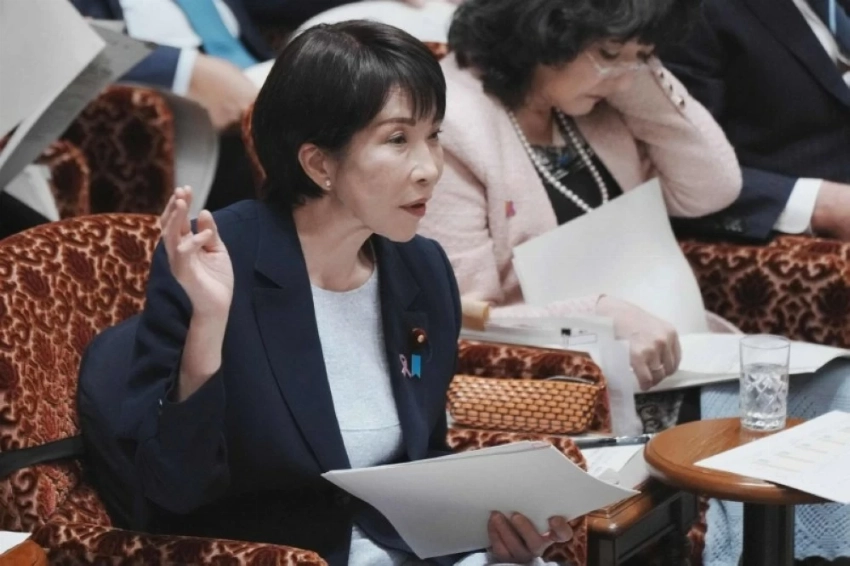
وقالت تاكايتشي في مؤتمر صحفي عقب الحل: «أضع منصبي كرئيسة وزراء على المحك. أريد أن يقرر الشعب الياباني بنفسه ما إذا كان يريد الاستمرار في تكليف ساناي تاكايتشي بإدارة البلاد. هذا قرار ثقيل، لكنه ضروري لتحديد مسار اليابان معًا مع الشعب».
وتولت تاكايتشي، وهي أول امرأة تتولى رئاسة الوزراء في تاريخ اليابان، المنصب في 21 أكتوبر 2025 بعد فوزها في انتخابات رئاسة الحزب الليبرالي الديمقراطي، وتشكيل تحالف مع حزب الابتكار الياباني بعد انهيار التحالف التقليدي مع حزب كوميتو.
ورغم أن الحزب الليبرالي الديمقراطي وحلفاءه يمتلكون أغلبية ضئيلة 233 مقعدًا فقط في مجلس النواب البالغ 465 مقعدًا، إلا أن شعبية تاكايتشي الشخصية تجاوزت 70% في استطلاعات الرأي، مما دفعها للمخاطرة بانتخابات مبكرة لتعزيز الغالبية وتسريع تنفيذ أجندتها الاقتصادية والأمنية.
ويأتي الحل في يوم افتتاح الدورة العادية للبرلمان الأول منذ 60 عامًا، وهو أمر غير مسبوق منذ عام 1966، مما يؤخر مناقشة ميزانية 2026 ويثير انتقادات بأنها "مغامرة سياسية" للاستفادة من شعبيتها الشخصية.
وتواجه تاكايتشي تصاعداً في التوتر مع الصين منذ أن أدلت بتصريحات مؤيدة لتايوان، بينما يضغط الرئيس الأمريكي، دونالد ترمب، على اليابان لزيادة الإنفاق العسكري مع سعي واشنطن وبكين لتحقيق التفوق العسكري في المنطقة.
وتهدف خطة تاكايتشي لإجراء الانتخابات المبكرة إلى الاستفادة من شعبيتها لتوسيع الأغلبية الحاكمة في مجلس النواب، وهو المجلس الأقوى بين غرفتي البرلمان الياباني، ويملك الحزب الديمقراطي الليبرالي وائتلافه أغلبية ضعيفة في مجلس النواب بعد خسارة انتخابية في 2024، بينما لا يملك الائتلاف أغلبية في مجلس الشيوخ ويعتمد على أصوات أعضاء المعارضة لتمرير أجندته.
The Japanese Prime Minister, Sanae Takachi, announced today (Friday) the official dissolution of the House of Representatives, the lower house of parliament, in a historic step that paves the way for early general elections to be held on February 8, 2026.
The Japanese Cabinet approved the dissolution decision in a morning meeting, and then the Speaker of the House of Representatives, Fukushiro Nomura, officially announced the dissolution during an extraordinary parliamentary session at 1 PM, amid applause and traditional "Banzai" cheers from the members.
This election marks the shortest election campaign in post-war Japan, as the official campaign begins on January 27 and lasts only 16 days until the voting day.
Takachi stated in a press conference following the dissolution: "I put my position as Prime Minister on the line. I want the Japanese people to decide for themselves whether they want to continue entrusting Sanae Takachi with managing the country. This is a heavy decision, but it is necessary to determine Japan's path together with the people."
Takachi, the first woman to hold the office of Prime Minister in Japan's history, took office on October 21, 2025, after winning the Liberal Democratic Party leadership election and forming an alliance with the Japan Innovation Party following the collapse of the traditional alliance with the Komeito Party.
Although the Liberal Democratic Party and its allies hold a slim majority of only 233 seats in the 465-seat House of Representatives, Takachi's personal popularity has exceeded 70% in opinion polls, prompting her to risk early elections to strengthen the majority and expedite the implementation of her economic and security agenda.
The dissolution comes on the opening day of the regular parliamentary session, the first in 60 years, which is unprecedented since 1966, delaying the discussion of the 2026 budget and raising criticisms that it is a "political gamble" to capitalize on her personal popularity.
Takachi faces rising tensions with China since she made pro-Taiwan statements, while U.S. President Donald Trump pressures Japan to increase military spending as Washington and Beijing seek military supremacy in the region.
Takachi's plan for early elections aims to leverage her popularity to expand the ruling majority in the House of Representatives, which is the stronger chamber of the Japanese parliament. The Liberal Democratic Party and its coalition hold a weak majority in the House after an electoral loss in 2024, while the coalition does not have a majority in the Senate and relies on opposition members' votes to pass its agenda.
ملحوظة: مضمون هذا الخبر تم كتابته بواسطة عكاظ ولا يعبر عن وجهة نظر مصر اليوم وانما تم نقله بمحتواه كما هو من عكاظ ونحن غير مسئولين عن محتوى الخبر والعهدة علي المصدر السابق ذكرة.