
حذر رئيس مجلس القيادة الرئاسي الدكتور رشاد العليمي اليوم (الثلاثاء)، من خطورة الإجراءات الأحادية التي تتجه إلى فرض أمر واقع، وخلق سلطة موازية بالقوة.
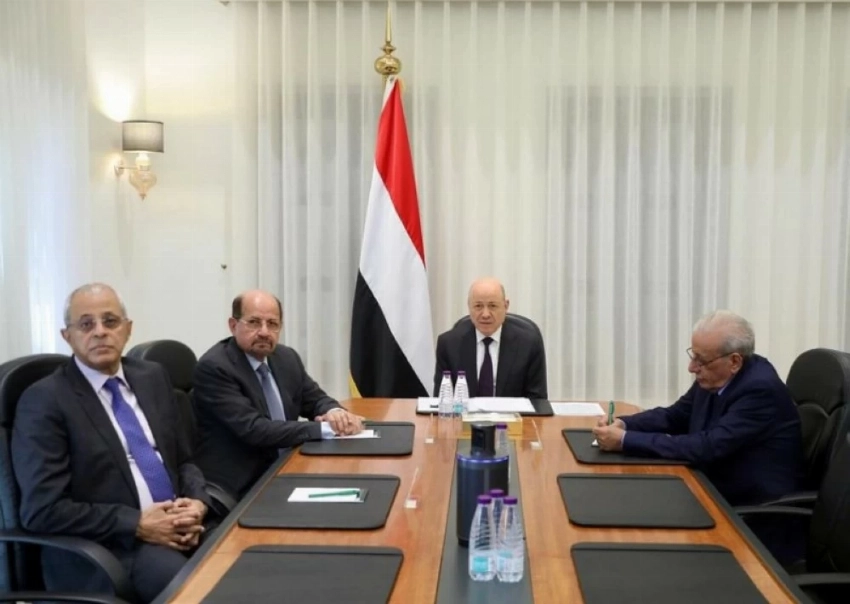
ودعا العليمي في لقاءين منفصلين أحدهما مع رئاسة هيئة التشاور والمصالحة والآخر و وزارة الخارجية والبعثات الدبلوماسية، دعا الجميع بما في ذلك المجتمع الدولي، إلى العمل من أجل منع انزلاق اليمن نحو صدام داخلي جديد، سيكون المستفيد الأول منه الحوثي وشبكات الإرهاب، والفوضى المتخادمة معها.
حماية اليمن من الانزلاق
وأكد رئيس مجلس القيادة الرئاسي، على الدور المحوري لهيئة التشاور والمصالحة باعتبارها أحد أعمدة التوافق الوطني التي أنشأها إعلان نقل السلطة لمساندة مجلس القيادة الرئاسي، و حماية الشراكة، ومنع انزلاق البلاد إلى مزيد من الفوضى، لافتاً إلى أن الدور المعول على الهيئة في هذه اللحظة الدقيقة التي تتطلب مسؤولية جماعية، ورؤية تتجاوز ردود الفعل، إلى جانب بناء أدوات حاكمة لحماية مؤسسات الدولة، وردع تقويض الشراكة القائمة بين القوى الوطنية المناهضة لمشروع الحوثي.
وجدد رئيس مجلس القيادة الرئاسي رفضه القاطع لأي إجراءات أحادية، أو مساعٍ لفرض أمر واقع خارج إطار التوافق الوطني، والمرجعيات الحاكمة للمرحلة الانتقالية، معتبراً أن هذا المسار يمس جوهر المهمات التي أنشئت من أجلها هيئة التشاور، وفي مقدمتها صون التوافق القائم على كافة المستويات.
وأوضح أن الخطر لا يكمن فقط في الإجراء الأحادي ذاته، بل في محاولة تحويل الشراكة السياسية إلى أداة تعطيل، واستخدام مؤسسات الدولة غطاءً لتمرير مشاريع خارج التوافق.
إفراغ مجلس القيادة وهيئاته من مضمونه
وحذر الرئيس اليمني من أن التهاون مع هذا المسار سياسيًا ومؤسسيًا، سيؤدي إلى إفراغ مجلس القيادة وهيئاته المساندة من مضمونه التوافقي، وبالتالي تهديد المركز القانوني للدولة، وإعادة إنتاج الصراع داخل الشرعية بشكل أكثر خطورة.
وأشار إلى أن هيئة التشاور جزء أصيل من منظومة حماية الشرعية، وهي ملزمة بموجب إعلان نقل السلطة بالوقوف ضد أي سلوك يقوّض التوافق القائم، ومرجعيات المرحلة الانتقالية.
وجدد العليمي التأكيد على عدالة القضية الجنوبية وأن معالجتها مسؤولية وطنية مشتركة، لكنه حذر من أن تحويلها إلى ذريعة لإجراءات أحادية من شأنه تقويض فرص الحل، وإضعاف التعاطف الإقليمي والدولي معها، وإعادتها من مسارها السياسي الآمن، إلى مسار تصادمي.
وقال العليمي «هيئة التشاور مطالبة بتأكيد أن القضية الجنوبية محمية بالمرجعيات، واستمرار التوافق القائم، لا بالقوة، أو اختزالها في طرف واحد، مبيناً أن المصالح العليا لليمن اليوم تتمثل في الحد من المعاناة، والحفاظ على وحدة القرار، واستمرار الدعم الإقليمي والدولي، وحماية مسار التعافي الاقتصادي، ومنع عزل الشرعية أو إضعافها.
بيانات تقسيم اليمن
في الوقت ذاته، أوضح العليمي لوزارة الخارجية والبعثات الدبلوماسية أن إجراءات المجلس الانتقالي الأحادية بلغت مرحلة أخطر هذا الأسبوع، بدفع مؤسسات وأجهزة الدولة لإصدار بيانات تؤيد تقسيم البلاد، وتبني مواقف سياسية عليا ليست من اختصاصها، بما يهدد وحدة القرار، والمركز القانوني للدولة.
وأكد رئيس مجلس القيادة، عدم القبول تحت أي ظرف كان، أن تتحول الشراكة السياسية إلى تمرد على الدولة، أو محاولة فرض واقع بالقوة، مشدداً بالقول: «إن المواقف السياسية العليا، يحددها مجلس القيادة الرئاسي، ومؤسسات الدولة المختصة، وعلى رأسها وزارة الخارجية في نطاق عملها، وليس أي جهة تنفيذية عبر بيانات، أو اصطفافات».
وأشار إلى أن مرجعيات المرحلة الانتقالية واضحة فيما يتعلق بالتوافق القائم، وفي المقدمة إعلان نقل السلطة واتفاق الرياض، وما تضمنه من صلاحيات تمثيل الدولة وإدارة السياسة الخارجية، وآلية اتخاذ القرار، وحماية وحدة البلاد، وسلامة أراضيها.
خطر الانقسام على الاتفاقيات الدولية
واستعرض الرئيس اليمني تداعيات هذه الانقسامات على الشراكات الحكومية القائمة مع المجتمع الدولي في مجالات خفر السواحل، ومكافحة التهريب، وأمن الممرات البحرية، والتدريب وبناء القدرات، موضحاً أن هذه الشراكات تقوم على شرط أساسي، هو وجود دولة واحدة بقرار واحد.
واعتبر أن أي ازدواج في القرار، أو سلطات موازية من شأنه أن يخلق ارتباكاً قانونياً، وسياسياً للشركاء، وقد يفتح باب تعليق برامج أو إعادة تقييم تعاون، كما جرى مع صندوق النقد الدولي.
ووجه رئيس مجلس القيادة الرئاسي بتحصين مؤسسات الدولة إدارياً من خلال ضبط المخاطبات، ومنع تسييس الوزارات والمؤسسات السيادية والخدمية، كما وجه باتخاذ مسار قانوني واضح ضد أي تجاوزات تمس وحدة القرار، أو تسيء للمركز القانوني للدولة.
The President of the Presidential Leadership Council, Dr. Rashad Al-Alimi, warned today (Tuesday) of the dangers of unilateral measures that aim to impose a fait accompli and create a parallel authority by force.
Al-Alimi called, in two separate meetings, one with the Presidency of the Consultation and Reconciliation Commission and the other with the Ministry of Foreign Affairs and diplomatic missions, for everyone, including the international community, to work to prevent Yemen from sliding into a new internal conflict, which would primarily benefit the Houthis and terrorist networks, along with the chaos that accompanies them.
Protecting Yemen from Slipping
The President of the Presidential Leadership Council emphasized the pivotal role of the Consultation and Reconciliation Commission as one of the pillars of national consensus established by the power transfer declaration to support the Presidential Leadership Council, protect the partnership, and prevent the country from slipping into further chaos. He pointed out that the role expected of the commission at this critical moment requires collective responsibility and a vision that goes beyond mere reactions, alongside building governing tools to protect state institutions and deter the undermining of the existing partnership among national forces opposing the Houthi project.
Al-Alimi reiterated his firm rejection of any unilateral measures or attempts to impose a fait accompli outside the framework of national consensus and the governing references for the transitional phase, considering that this path undermines the essence of the tasks for which the Consultation Commission was established, foremost among them preserving the existing consensus at all levels.
He clarified that the danger lies not only in the unilateral measure itself but also in the attempt to turn political partnership into a tool for disruption and using state institutions as a cover to pass projects outside of consensus.
Emptying the Leadership Council and Its Bodies of Their Substance
The Yemeni president warned that complacency with this political and institutional path would lead to emptying the Leadership Council and its supporting bodies of their consensual substance, thus threatening the legal status of the state and reproducing the conflict within the legitimacy in a more dangerous manner.
He pointed out that the Consultation Commission is an integral part of the legitimacy protection system and is obligated, under the power transfer declaration, to stand against any behavior that undermines the existing consensus and the references of the transitional phase.
Al-Alimi reiterated the justice of the southern issue and that addressing it is a shared national responsibility, but he warned that turning it into a pretext for unilateral measures would undermine the chances for a solution, weaken regional and international sympathy for it, and shift it from its safe political path to a confrontational one.
Al-Alimi said, "The Consultation Commission is required to affirm that the southern issue is protected by the references and the continuation of the existing consensus, not by force or reducing it to one party, indicating that the higher interests of Yemen today lie in alleviating suffering, maintaining unified decision-making, continuing regional and international support, protecting the economic recovery path, and preventing the isolation or weakening of legitimacy.
Statements on the Division of Yemen
At the same time, Al-Alimi explained to the Ministry of Foreign Affairs and diplomatic missions that the unilateral measures of the Transitional Council reached a more dangerous stage this week, pushing state institutions and agencies to issue statements supporting the division of the country and adopting high political positions that are not within their jurisdiction, threatening the unity of decision-making and the legal status of the state.
The President of the Leadership Council affirmed that under no circumstances should political partnership turn into a rebellion against the state or an attempt to impose reality by force, stressing that "high political positions are determined by the Presidential Leadership Council and the relevant state institutions, foremost among them the Ministry of Foreign Affairs within its scope of work, and not by any executive entity through statements or alignments."
He pointed out that the references of the transitional phase are clear regarding the existing consensus, primarily the power transfer declaration and the Riyadh Agreement, which includes the powers of state representation and foreign policy management, decision-making mechanisms, and protecting the unity of the country and the integrity of its territories.
The Danger of Division on International Agreements
The Yemeni president reviewed the repercussions of these divisions on the existing government partnerships with the international community in areas such as coast guard, combating smuggling, maritime security, training, and capacity building, explaining that these partnerships are based on a fundamental condition: the existence of a single state with a unified decision.
He considered that any duality in decision-making or parallel authorities would create legal and political confusion for partners and could open the door to suspending programs or reevaluating cooperation, as happened with the International Monetary Fund.
The President of the Presidential Leadership Council directed to fortify state institutions administratively by regulating communications and preventing the politicization of ministries and sovereign and service institutions, and he also directed to take a clear legal path against any violations that affect the unity of decision-making or harm the legal status of the state.
ملحوظة: مضمون هذا الخبر تم كتابته بواسطة عكاظ ولا يعبر عن وجهة نظر مصر اليوم وانما تم نقله بمحتواه كما هو من عكاظ ونحن غير مسئولين عن محتوى الخبر والعهدة علي المصدر السابق ذكرة.