

كشفت دراسة برازيلية حديثة إمكانية استخدام نبات برازيلي تقليدي يُعرف باسم «معطف يوسف» (Alternanthera littoralis) في تخفيف آلام وتصلب المفاصل الناتج عن التهاب المفاصل التنكسي (Osteoarthritis)، الذي يُصيب نحو 10 ملايين شخص في بريطانيا و33 مليوناً في الولايات المتحدة.
التهاب المفاصل التنكسي

التهاب المفاصل التنكسي، المعروف أيضاً بـ«التهاب المفاصل الناتج عن الاستخدام»، يحدث عندما يتحلل الغضروف الواقي في نهايات العظام تدريجياً، مما يؤدي إلى احتكاك العظام ببعضها، وتورم، وألم، وصعوبة في الحركة.
وتُعد الركبة المفصل الأكثر تأثراً، إذ تمثل أكثر من نصف الحالات، وعادةً ما يُوصي الأطباء بالتمارين الرياضية، وإدارة الوزن، والعلاج الطبيعي، لكن هذه الطرق غالباً ما تكون غير كافية للسيطرة على الألم والتصلب، أما خيارات تسكين الألم الحالية فمحدودة وقصيرة الأمد، وغالباً ما تكون فوائدها ضئيلة.
تأثيرات مضادة للالتهاب
وفي تجارب أجراها باحثون برازيليون من جامعة غراندي دورادوس الفيدرالية، بالتعاون مع جامعات أخرى، على فئران مصابة بالتهاب مفاصل، أظهر مستخلص إيثانولي من أجزاء النبات الهوائية تأثيرات مضادة للالتهاب، ومسكنة للألم، ومضادة لالتهاب المفاصل بشكل ملحوظ.
وقلل المستخلص من التورم، وحسّن وظائف المفاصل، وأثر على الوسطاء الالتهابيين، مع دلائل على خصائص مضادة للأكسدة وحماية الأنسجة.
نبات طبيعي لعلاج ألم الركبة
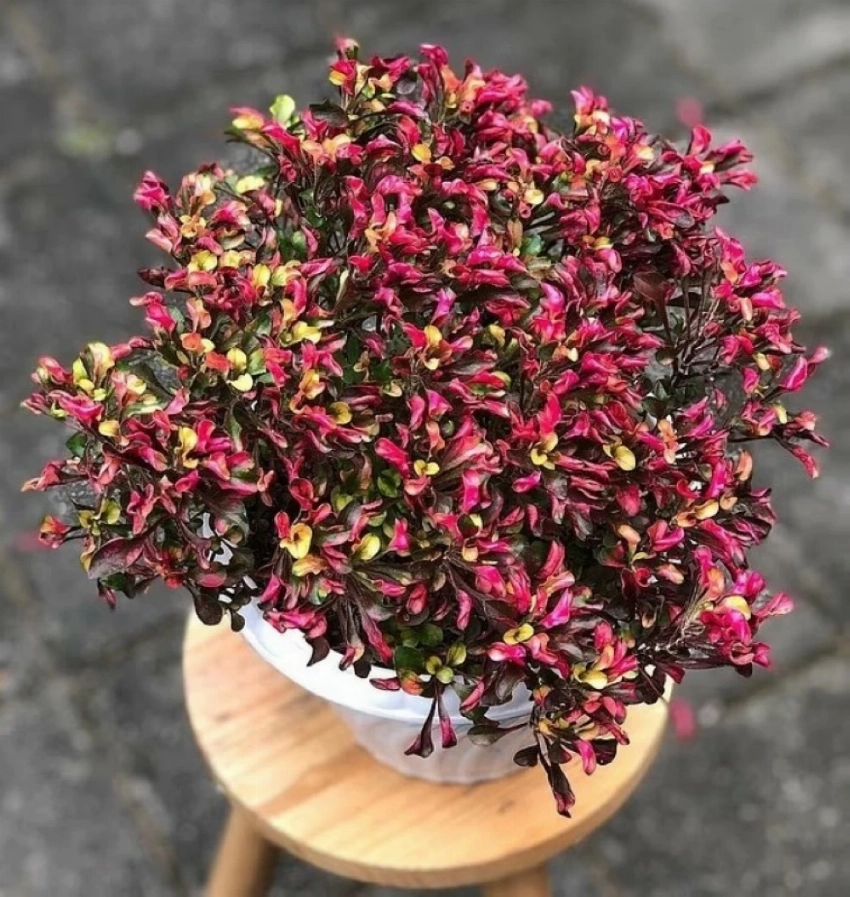
ويُعتبر نبات Alternanthera littoralis، الذي ينمو طبيعياً في المناطق الساحلية البرازيلية، جزءاً من الطب الشعبي التقليدي لعلاج الالتهابات والعدوى البكتيرية والفطرية والطفيلية.
نُشرت الدراسة في مجلة «Journal of Ethnopharmacology»، وأكد الباحثون أن النتائج تدعم الاستخدام التقليدي للنبات، وتشير إلى إمكانيته كعلاج آمن وفعال للحالات الالتهابية، مع ملف أمان جيد في الجرعات العلاجية.
ومع ذلك، شدد العلماء على أن الآليات الجزيئية الدقيقة لا تزال غير واضحة تماماً، وأن تقييمات سمية صارمة وتجارب سريرية على البشر ضرورية قبل أي استخدام علاجي.
ويُعد استبدال المفاصل خياراً طويل الأمد للحالات المتقدمة، لكن قوائم الانتظار طويلة، والتعافي يتطلب وقتاً طويلاً.
وفي السنوات الأخيرة، أوصى الخبراء بتغييرات نمط حياة، مثل تناول الأسماك الدهنية الغنية بأحماض أوميغا-3 الدهنية، التي لها خصائص مضادة للالتهاب، أو اتباع نظام غذائي متوسطي، الذي أظهرت دراسات أنه يقلل من علامات الالتهاب وتحلل الغضروف، ويحسن مرونة الركبة.
A recent Brazilian study revealed the potential use of a traditional Brazilian plant known as "Joseph's Coat" (Alternanthera littoralis) in alleviating joint pain and stiffness caused by osteoarthritis, which affects about 10 million people in Britain and 33 million in the United States.
Osteoarthritis
Osteoarthritis, also known as "wear-and-tear arthritis," occurs when the protective cartilage at the ends of bones gradually deteriorates, leading to bone-on-bone friction, swelling, pain, and difficulty in movement.
The knee is the most affected joint, accounting for more than half of the cases, and doctors typically recommend exercise, weight management, and physical therapy; however, these methods are often insufficient to control pain and stiffness. Current pain relief options are limited and short-term, often providing minimal benefits.
Anti-inflammatory Effects
In experiments conducted by Brazilian researchers from the Federal University of Grande Dourados, in collaboration with other universities, on mice with arthritis, an ethanolic extract from the aerial parts of the plant demonstrated significant anti-inflammatory, analgesic, and anti-arthritis effects.
The extract reduced swelling, improved joint function, and affected inflammatory mediators, with indications of antioxidant properties and tissue protection.
A Natural Plant for Knee Pain Relief
The plant Alternanthera littoralis, which grows naturally in Brazilian coastal areas, is part of traditional folk medicine for treating inflammation and bacterial, fungal, and parasitic infections.
The study was published in the "Journal of Ethnopharmacology," and the researchers confirmed that the results support the traditional use of the plant and indicate its potential as a safe and effective treatment for inflammatory conditions, with a good safety profile at therapeutic doses.
However, scientists emphasized that the precise molecular mechanisms remain unclear, and rigorous toxicity assessments and clinical trials in humans are necessary before any therapeutic use.
Joint replacement is a long-term option for advanced cases, but waiting lists are long, and recovery takes a significant amount of time.
In recent years, experts have recommended lifestyle changes, such as consuming fatty fish rich in omega-3 fatty acids, which have anti-inflammatory properties, or following a Mediterranean diet, which studies have shown reduces signs of inflammation and cartilage degradation, and improves knee flexibility.
ملحوظة: مضمون هذا الخبر تم كتابته بواسطة عكاظ ولا يعبر عن وجهة نظر مصر اليوم وانما تم نقله بمحتواه كما هو من عكاظ ونحن غير مسئولين عن محتوى الخبر والعهدة علي المصدر السابق ذكرة.